I truly read a lot of books in 2017. More than usual, which is a lot. It was that kind of year.
As is often the case, I spent much of my time catching up with authors I should have read long ago, when everyone else did-- or authors whom everyone has forgotten (who often, but not always, turn out to be female.) I'm never current, since I read novels I like at least three times which, for obvious reasons, slows me down.
But it was a great year for books, too. I found a few new (yes, forgotten) novelists and rediscovered others:
 I'd abandoned the novels of Philip Roth long ago. I'd found his (early) novels not funny in the way I liked, not written in the spare word-stingy style I'd been taught to admire. And, all that Jewish stuff seemed, well, too Jewish. Salinger was never Jewish in that way-- and I.B. Singer, whom I loved, was Jewish in a mystical, Eastern European way that seemed refined. Roth, by contrast, seemed vulgar (I guess New Jersey seems vulgar compared to Warsaw.) Plus, there was Roth's famous misogny, which for years, I took on faith. In 2017, I found his novels (especially, The Ghost Writer and American Pastoral) to be brimming with content, and interesting content, and filled with energy of a sort I'd been missing in American fiction-- a fighting spirit, if you will. And his women characters, well, I love them.
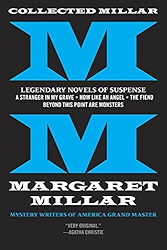
Hooray, the novels of Margaret Millar are available. I first found Millar in a Library of America Collection of Female Crime novelists, and that was lucky. She's a gem. Yes she wrote page-turning mysteries, whose secrets reveal themselves on the last page, but she was a fine, mischievous social satirist; her views of women, and the sexual/marital constraints facing women are prescient. Like Roth, Millar was prolific-- lots of novels to read, many of which (although not all) are first-rate. Her style is fluid, her characterizations on point, and she should be in the American pantheon of mystery writers along with Chandler, MacDonald and Hammett. In particular, A Stranger in My Grave knocked me out.
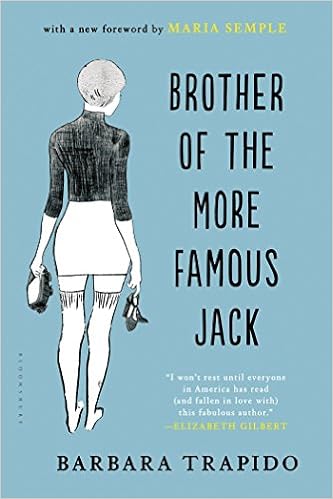
 Someone in a Facebook group turned me on to writings of South African writer, Barbara Trapido. She's a comedic writer with an arch tone in the Austen tradition. Brother of the More Famous Jack portraya an intellectual Jewish family, with two sexy sons, without any of the condescension that I (as a Jewish reader) expected-- and despite the formula (brainy girl chooses the wrong son, but ends up with the other,) the novel feels fresh. My other favorite, Temples of Delight, plays on Mozartean themes to create an enchanting story of love and faith, lost and found. I can't say all of her novels rise to this level, but so what?
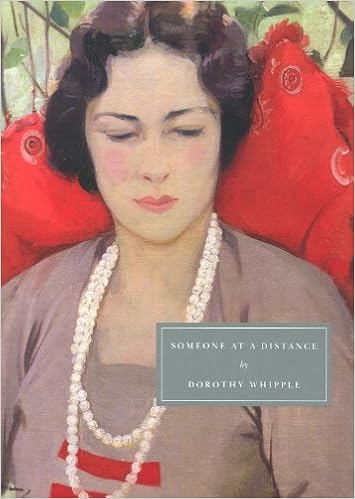
In 2016, I read the feminist novel, Islanders by Helen Hull -- a book that should be required reading for any women's studies course (although my guess is, it isn't.) Persephone Press also released the novels of Dorothy Whipple, a British writer who lived around the same time as Hull, and who's also a "must read" for anyone concerned about who women were before we had women's studies. Without preaching, Whipple writes of how tough it was for an educated woman to live and work, if her marriage went the way of all flesh. All very well to say a woman could be (or ought to be) independent -- but Whipple's account (in The Priory) of the dreary, low-paid work available to formerly pampered housewives is an eye-opener. And to her credit, Whipple allows her heroine to realize that what she labels suffering (for example, the stuffy room) is ordinary life for working-class women.
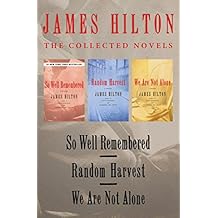 I adored the books of James Hilton as a teen. I almost didn't return to them for fear I'd find them kitsch. Luckily, I did, and upon rereading, they felt deeper, stronger, and even more poetic. Lost Horizon conveys, with an uncanny empathy, the hopelessness of those who returned from the Great War; and with my knowledge of the trenches, the story was far more moving than I expected. The hero's early promise, his disappointing career, his reclusiveness, his spiritual search-- nothing maudlin about it, and it all felt modern. As for Random Harvest, well, few romances have the emotional resonance of Hilton's, tinged as it is with the sadness of war.
What a terrific writer he is, and how is it he's never mentioned?
As is often the case, I spent much of my time catching up with authors I should have read long ago, when everyone else did-- or authors whom everyone has forgotten (who often, but not always, turn out to be female.) I'm never current, since I read novels I like at least three times which, for obvious reasons, slows me down.
But it was a great year for books, too. I found a few new (yes, forgotten) novelists and rediscovered others:
I'd abandoned the novels of Philip Roth long ago. I'd found his (early) novels not funny in the way I liked, not written in the spare word-stingy style I'd been taught to admire. And, all that Jewish stuff seemed, well, too Jewish. Salinger was never Jewish in that way-- and I.B. Singer, whom I loved, was Jewish in a mystical, Eastern European way that seemed refined. Roth, by contrast, seemed vulgar (I guess New Jersey seems vulgar compared to Warsaw.) Plus, there was Roth's famous misogny, which for years, I took on faith. In 2017, I found his novels (especially, The Ghost Writer and American Pastoral) to be brimming with content, and interesting content, and filled with energy of a sort I'd been missing in American fiction-- a fighting spirit, if you will. And his women characters, well, I love them.Hooray, the novels of Margaret Millar are available. I first found Millar in a Library of America Collection of Female Crime novelists, and that was lucky. She's a gem. Yes she wrote page-turning mysteries, whose secrets reveal themselves on the last page, but she was a fine, mischievous social satirist; her views of women, and the sexual/marital constraints facing women are prescient. Like Roth, Millar was prolific-- lots of novels to read, many of which (although not all) are first-rate. Her style is fluid, her characterizations on point, and she should be in the American pantheon of mystery writers along with Chandler, MacDonald and Hammett. In particular, A Stranger in My Grave knocked me out.
Someone in a Facebook group turned me on to writings of South African writer, Barbara Trapido. She's a comedic writer with an arch tone in the Austen tradition. Brother of the More Famous Jack portraya an intellectual Jewish family, with two sexy sons, without any of the condescension that I (as a Jewish reader) expected-- and despite the formula (brainy girl chooses the wrong son, but ends up with the other,) the novel feels fresh. My other favorite, Temples of Delight, plays on Mozartean themes to create an enchanting story of love and faith, lost and found. I can't say all of her novels rise to this level, but so what?In 2016, I read the feminist novel, Islanders by Helen Hull -- a book that should be required reading for any women's studies course (although my guess is, it isn't.) Persephone Press also released the novels of Dorothy Whipple, a British writer who lived around the same time as Hull, and who's also a "must read" for anyone concerned about who women were before we had women's studies. Without preaching, Whipple writes of how tough it was for an educated woman to live and work, if her marriage went the way of all flesh. All very well to say a woman could be (or ought to be) independent -- but Whipple's account (in The Priory) of the dreary, low-paid work available to formerly pampered housewives is an eye-opener. And to her credit, Whipple allows her heroine to realize that what she labels suffering (for example, the stuffy room) is ordinary life for working-class women.
I adored the books of James Hilton as a teen. I almost didn't return to them for fear I'd find them kitsch. Luckily, I did, and upon rereading, they felt deeper, stronger, and even more poetic. Lost Horizon conveys, with an uncanny empathy, the hopelessness of those who returned from the Great War; and with my knowledge of the trenches, the story was far more moving than I expected. The hero's early promise, his disappointing career, his reclusiveness, his spiritual search-- nothing maudlin about it, and it all felt modern. As for Random Harvest, well, few romances have the emotional resonance of Hilton's, tinged as it is with the sadness of war.What a terrific writer he is, and how is it he's never mentioned?